
As a key component widely used in electronic devices, electric vehicles and energy storage systems, the safety and reliability of lithium batteries have attracted much attention. During the design and production process, lithium batteries need to undergo a series of rigorous tests to ensure their stability in a variety of use scenarios. Among them, the drop test is an important part of evaluating the mechanical strength and impact resistance of lithium batteries. However, whether all lithium batteries need to carry out a 1.2-meter drop test, there is no uniform answer to this question, and it needs to be judged according to the specific application scenario and product standards.
The role of drop tests
The main purpose of the drop test is to simulate the unexpected drop situation that lithium batteries may encounter in daily use. By freely dropping the battery from a certain height to the ground or hard surface, the test can assess the impact resistance of the battery housing and internal structure, and check for potential risks such as rupture, leakage, and short circuit. For consumer electronics, drop testing helps reduce equipment failures and safety incidents due to battery damage. For high-performance lithium batteries in the industrial and automotive sectors, drop tests further verify their reliability in extreme environments.
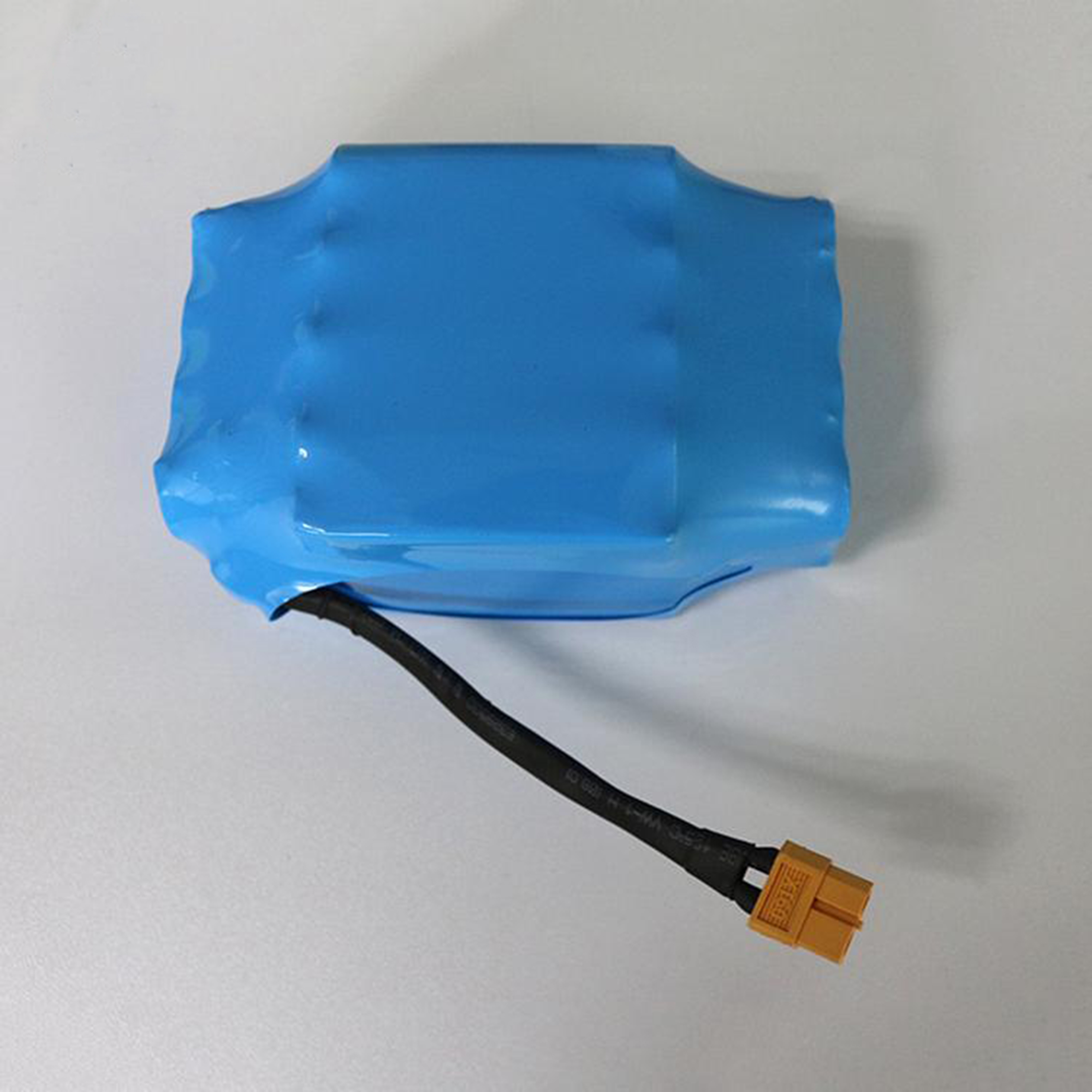
Is a 1.2m drop test required?
Whether a drop test of 1.2 meters is required depends on the specific application scenarios and relevant standards of lithium batteries:
1. Consumer electronics: For lithium batteries used in everyday electronic devices such as mobile phones and laptops, drop tests are usually mandatory. For example, IEC 62133, the safety standard for lithium batteries developed by the International Electrotechnical Commission (IEC), clearly stipulates the requirements for drop tests, but does not limit the height. Some areas may require a drop test of 1.2 meters to ensure that the battery does not have a safety issue in the event of an accidental drop.
2, electric vehicles and energy storage systems: Lithium batteries in electric vehicles and large energy storage systems usually need to withstand higher mechanical stress and more complex use environments. As a result, these batteries are often subjected to higher intensity drop tests, which may exceed 1.2 meters in height. Specific test requirements are subject to automotive industry standards (such as UN R100) or internal specifications of the energy storage system manufacturer.
3, special purpose batteries: For some portable medical equipment, military equipment or lithium batteries used in the aerospace field, the requirements of the drop test may be more stringent. These areas often have specific testing standards that may explicitly require a drop test at a height of 1.2 meters or more.
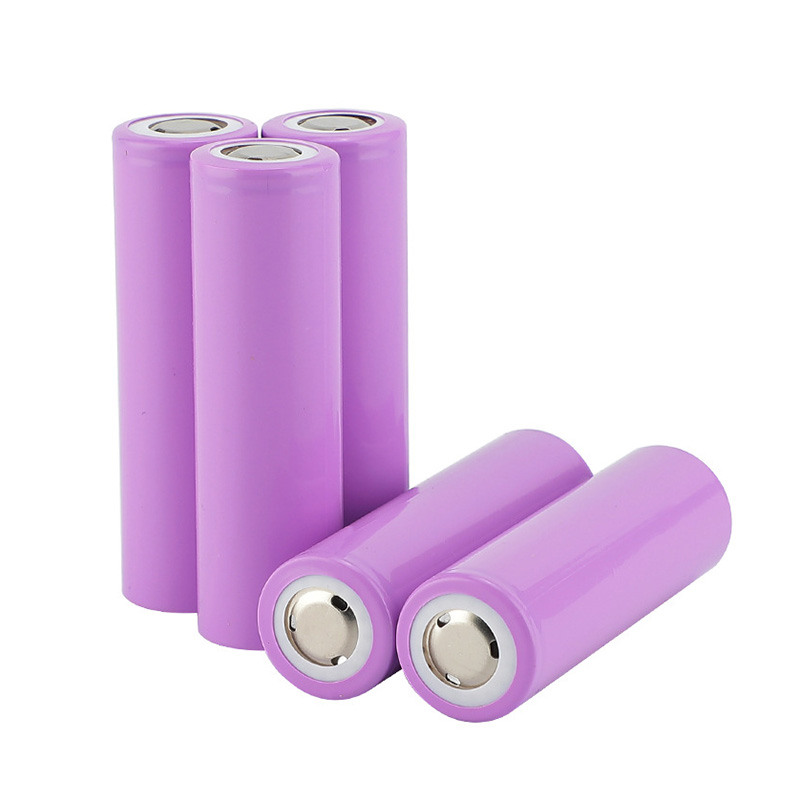
Whether a 1.2 meter drop test is required for a lithium battery is not a universal issue, but needs to be determined based on the specific product use, industry standards and safety requirements. For consumer electronics, a drop test of 1.2 meters is one of the common safety requirements; For the industrial and automotive sectors, testing standards may be more stringent. In the design and production process, manufacturers should choose the appropriate test standards and strictly implement them according to the target market and customer needs to ensure the safety and reliability of lithium batteries.