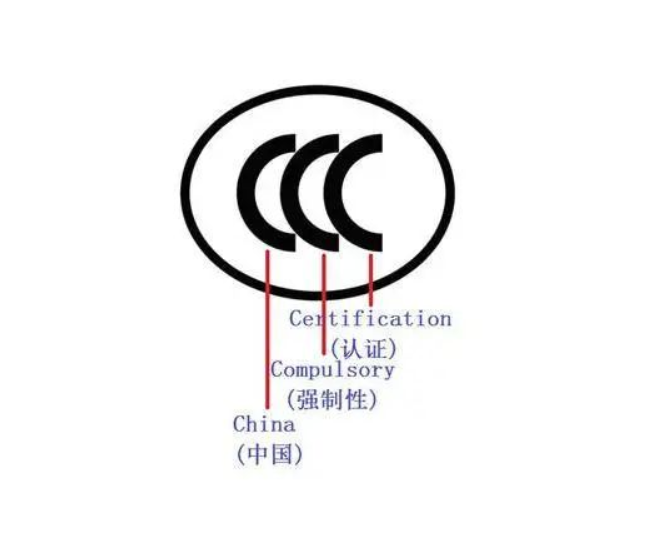
Amid the prevalence of electronic products, lithium batteries are widely used in mobile phones, laptops, electric vehicles and other fields. For legal sales in the domestic Chinese market, CCC Certification (China Compulsory Certification) is an essential "passport". According to the relevant announcement of the State Administration for Market Regulation, since August 1, 2024, lithium batteries without CCC certification shall not be manufactured or sold, and violations will face legal penalties. Therefore, enterprises must attach great importance to certification work.
I. Why Must Lithium Batteries Obtain CCC Certification?
CCC certification is a mandatory system in China to ensure product quality and safety. As high-risk energy components, the safety of lithium batteries is directly related to users' lives and property safety and environmental protection. Obtaining CCC certification is not only an authoritative recognition that the product complies with national standards such as GB 31241-2022, but also a prerequisite for enterprises to legally enter the domestic market. It also effectively avoids risks such as product recalls and legal proceedings, demonstrating corporate social responsibility.
II. Whole Process of CCC Certification for Lithium Batteries (6 Steps to Certificate)
The certification process strictly follows national implementation rules and is divided into the following 6 links. Efficient promotion can shorten the certification cycle:
Application Submission: The enterprise submits an application to a designated certification body and provides complete documents at the same time (core documents include certification application form, enterprise qualifications, product technical documents, etc.), ensuring true and accurate information to avoid review delays caused by missing documents;
Sample Testing: The certification body randomly selects samples on the enterprise's site (usually 9 pieces per batch) and conducts tests on key items such as capacity, high-temperature short circuit and overcharge in accordance with the GB 31241-2022 standard to ensure the product meets safety requirements;
Factory Inspection: The certification body conducts an on-site inspection of the manufacturing factory, focusing on verifying the quality assurance system, production process control and product consistency to ensure production conditions are consistent with certification standards;
Certification Review: The body conducts a comprehensive assessment based on sample test results and factory inspection findings, identifies potential compliance risks, and formulates review opinions;
Certificate Issuance: Upon successful review, the enterprise obtains the CCC certification certificate and can mark the certification mark on the product and packaging for official market sales;
Follow-up Supervision: The certification body conducts regular supervision inspections and factory audits, and implements differentiated supervision based on the enterprise's quality classification to ensure certified products continue to meet standards.
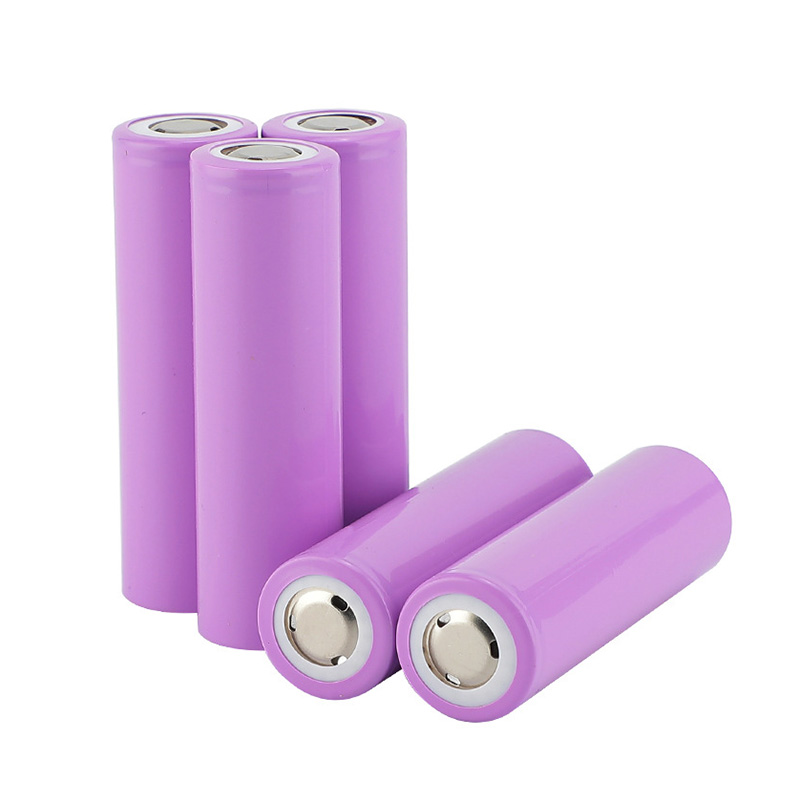
III. Core Importance of CCC Certification for Lithium Batteries
Market Access: CCC certification is a mandatory requirement for lithium batteries to legally enter the domestic Chinese market; uncertified products cannot be circulated or sold normally;
Trust Building: As an authoritative safety certification, it enhances consumers' trust in product quality and improves brand reputation;
Risk Reduction: Strict testing and review eliminate potential safety hazards in advance, reducing product recalls, complaints and legal risks;
Competitiveness Enhancement: Certified products have greater advantages in the market, helping enterprises expand business and seize market share.
CCC certification for lithium batteries is key to enterprises' compliant operation and an important measure to ensure product safety. Enterprises should sort out documents in advance and standardize production to ensure a smooth certification process. Enterprises with certification needs or questions are welcome to consult at any time for efficient certification and compliant market expansion.